A Movement Science Based Approach to Training for Fencers

What am I seeing?

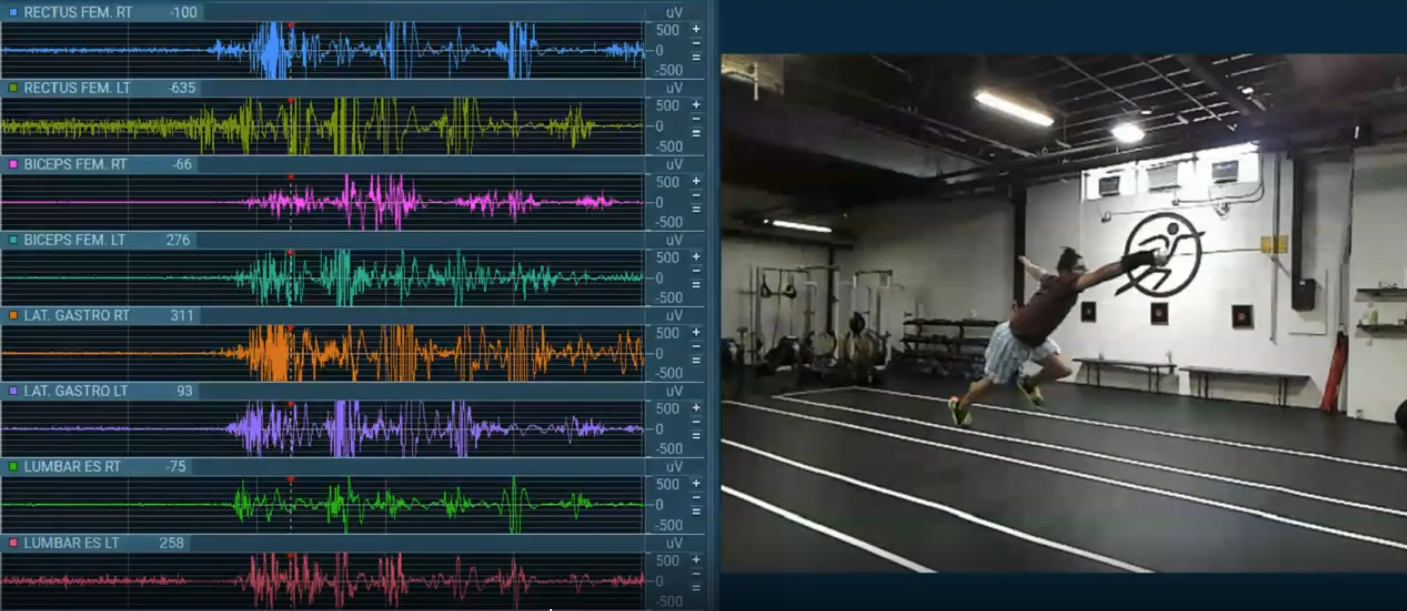
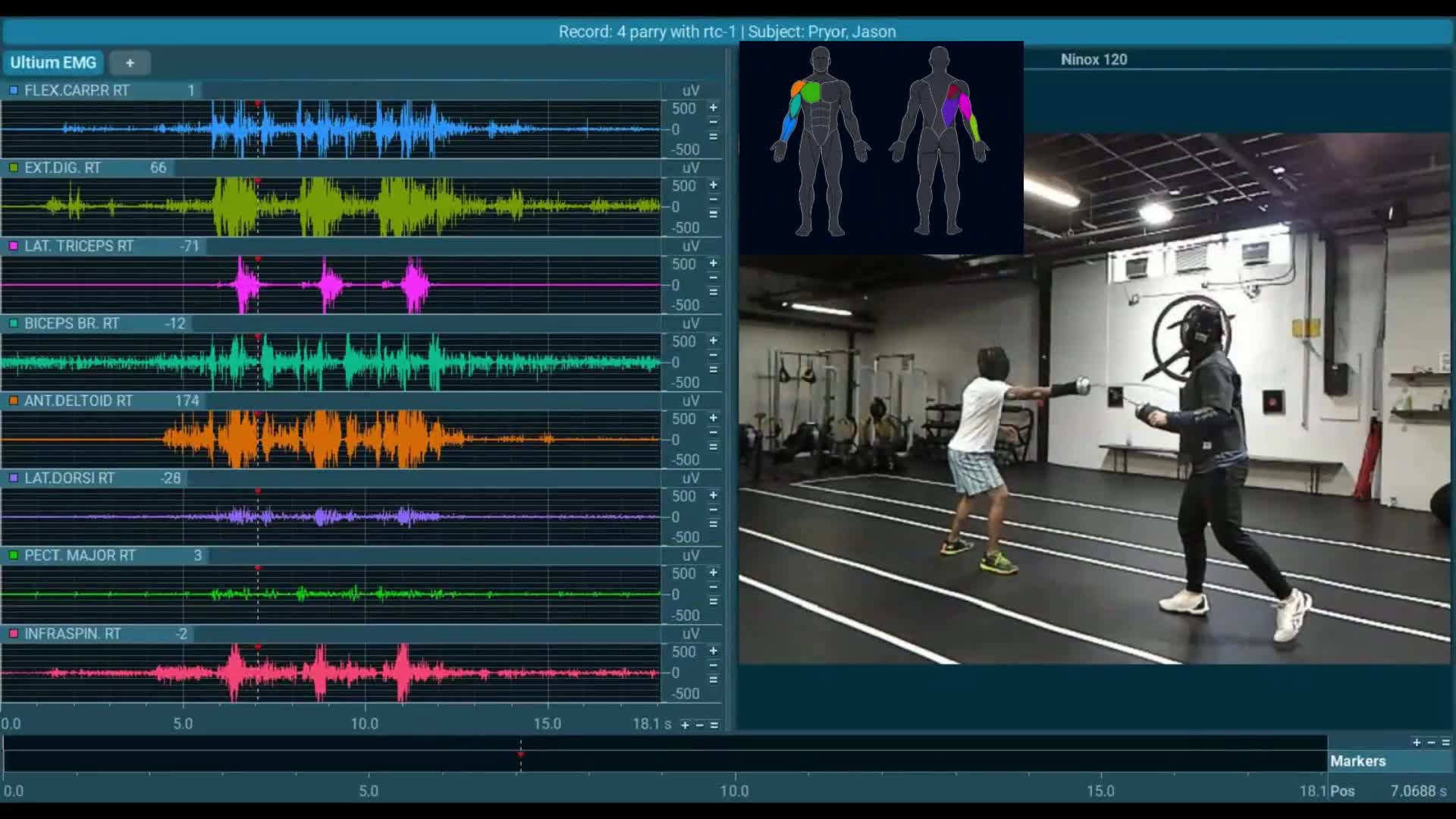
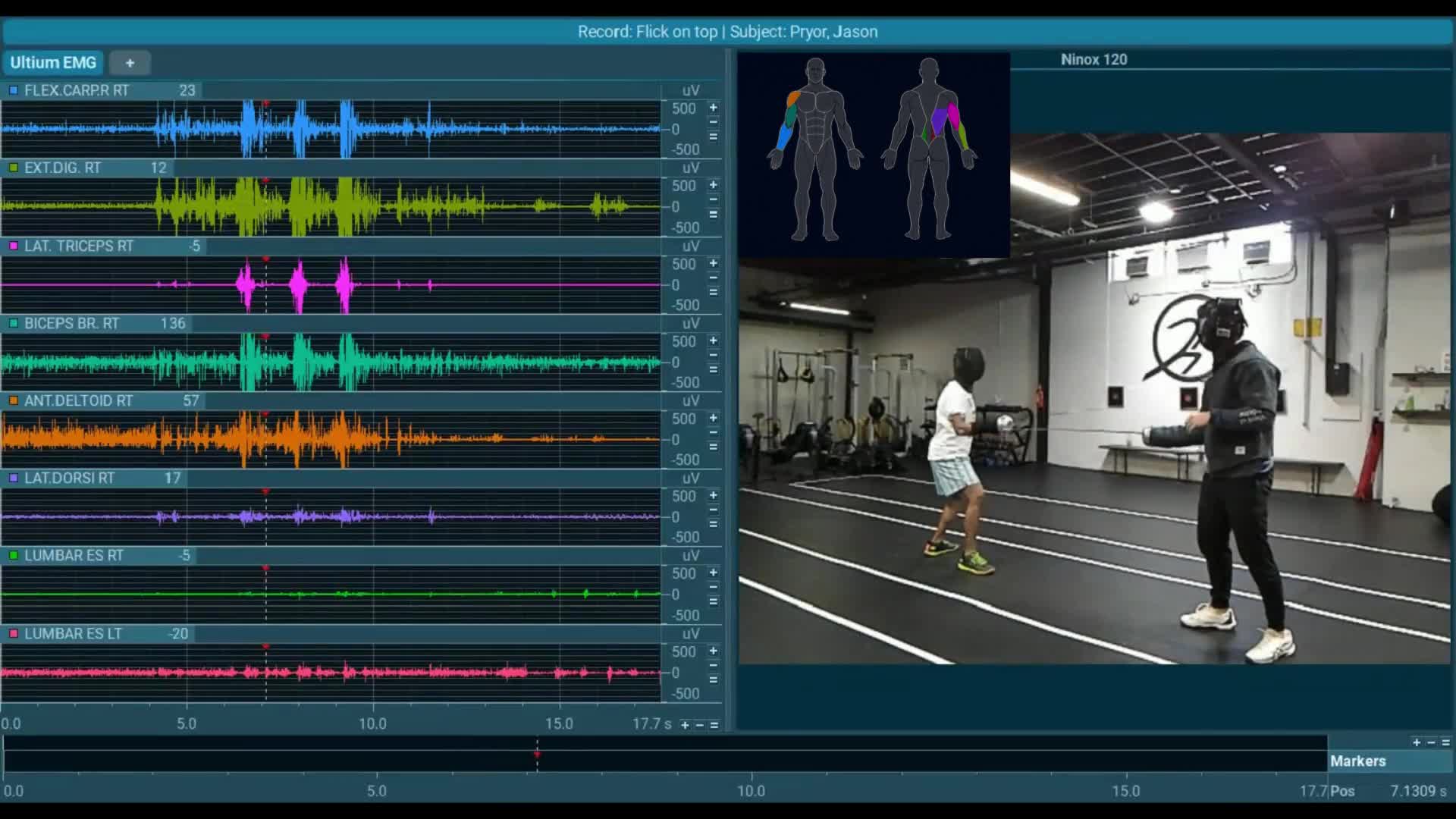
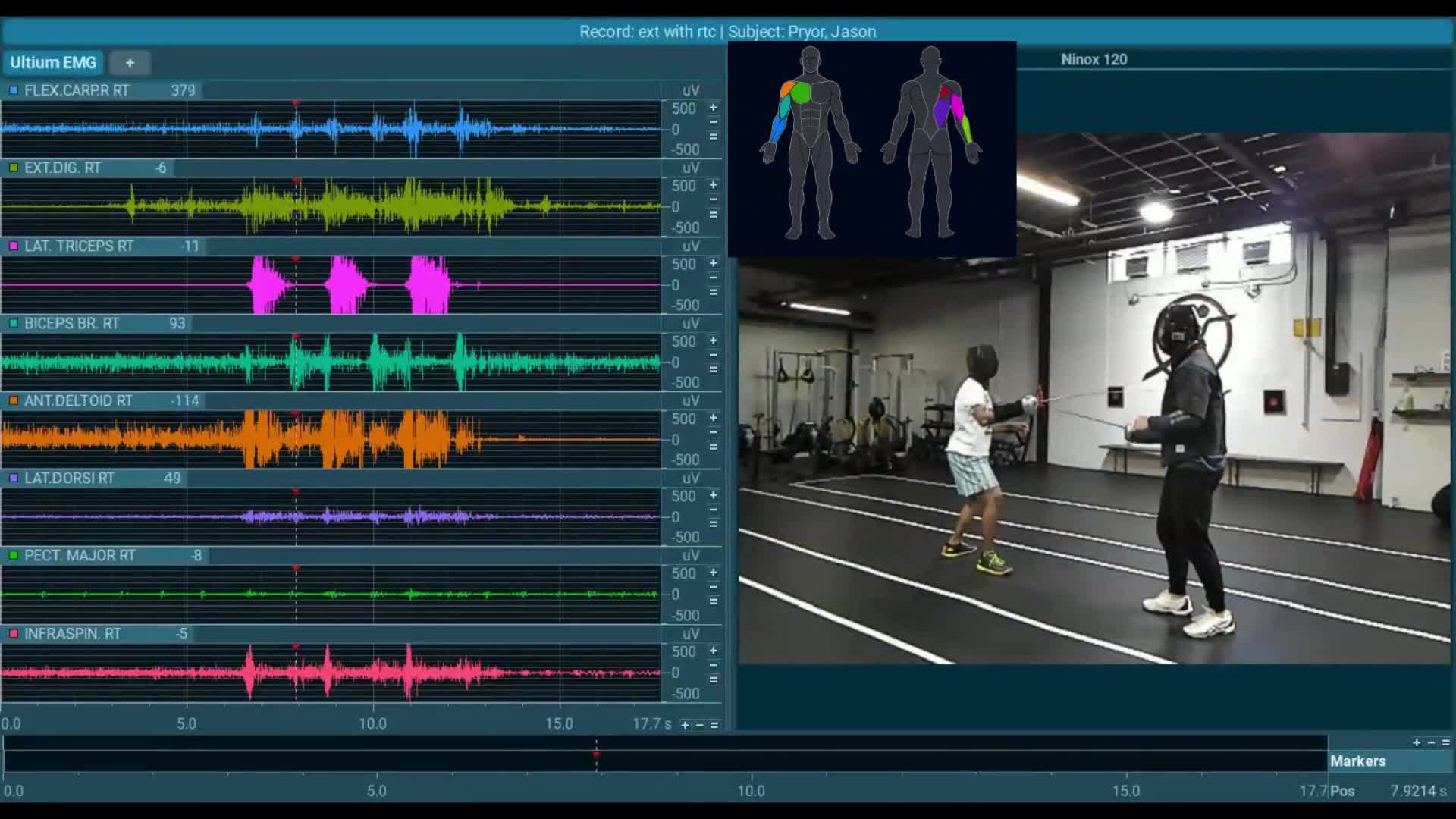
The videos linked below are part of what drive us here at LungeLab. We combine our expertise and experience with science and a deeper understanding of what is really happening during fencing movements. That is why we have used Electromyography (EMG) to help us understand which muscles are most active and when they are active during fencing.

What is EMG?

It’s is a way of measuring the electrical activity produced by muscles during movement. EMG helps us see when a muscle turns on, how active it is, and when it turns off.

What is the point of these videos?

This scientific approach helps guide how we build our programs. We use our own knowledge of anatomy, muscle physiology, and training principles to better understand the demands of the sport. LungeLab programs are designed to train these muscles not just to get stronger, but to transfer to fencing performance.

Skip to Videos
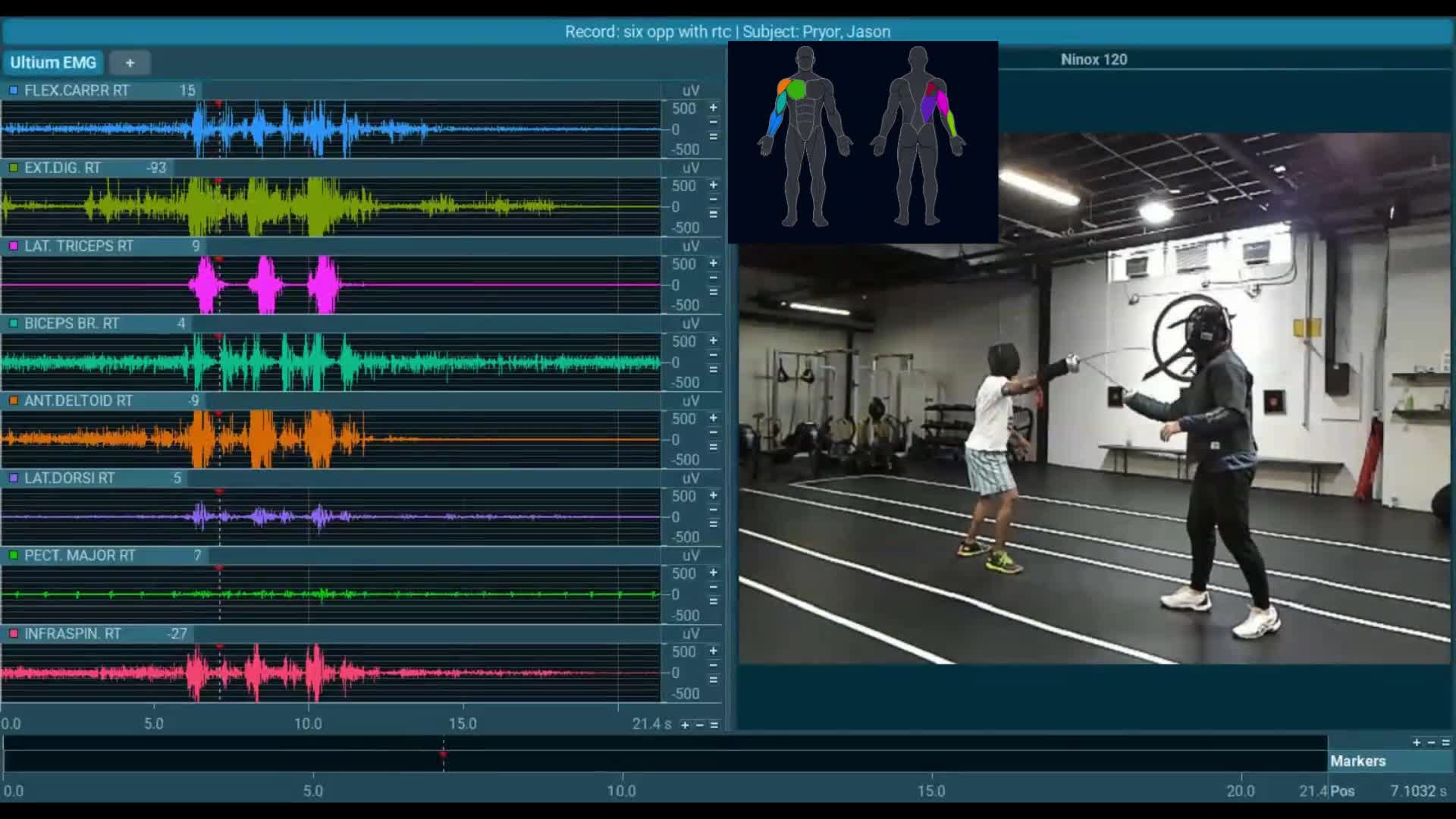
  • 6 Opposition

    Opposition in 6 uses rapid forearm activation to close the outside line while preserving offensive pressure. Flexors and extensors show a similar overall pattern to the parry-riposte, but with faster onset to support immediate control of the blade.

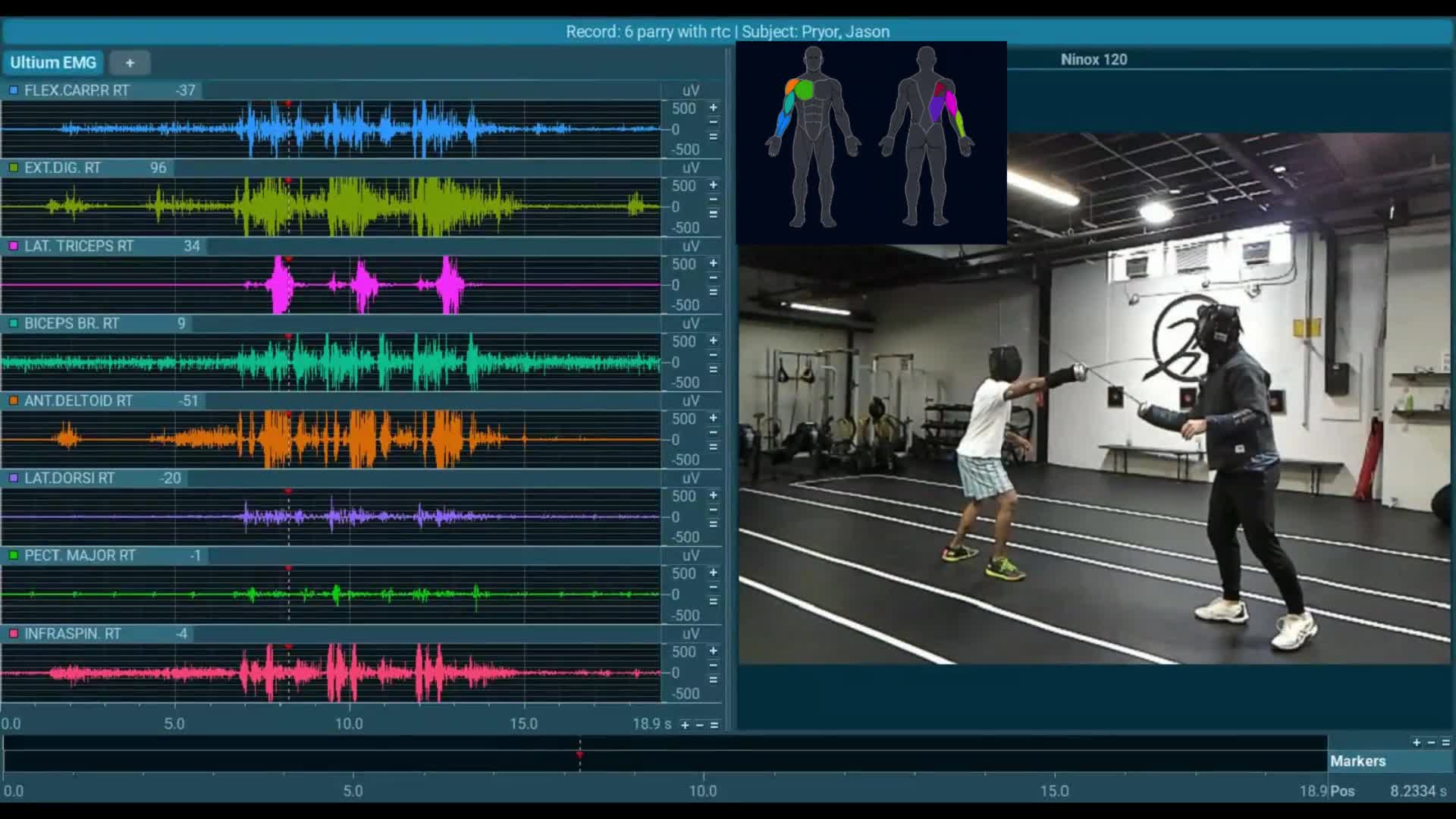
  • 6 Parry-Riposte

    The 6 parry-riposte requires coordinated forearm, arm, and shoulder activity. The forearm flexors and extensors are active during the parry, the biceps contributes during both parry and extension, and the triceps is most active during the riposte.

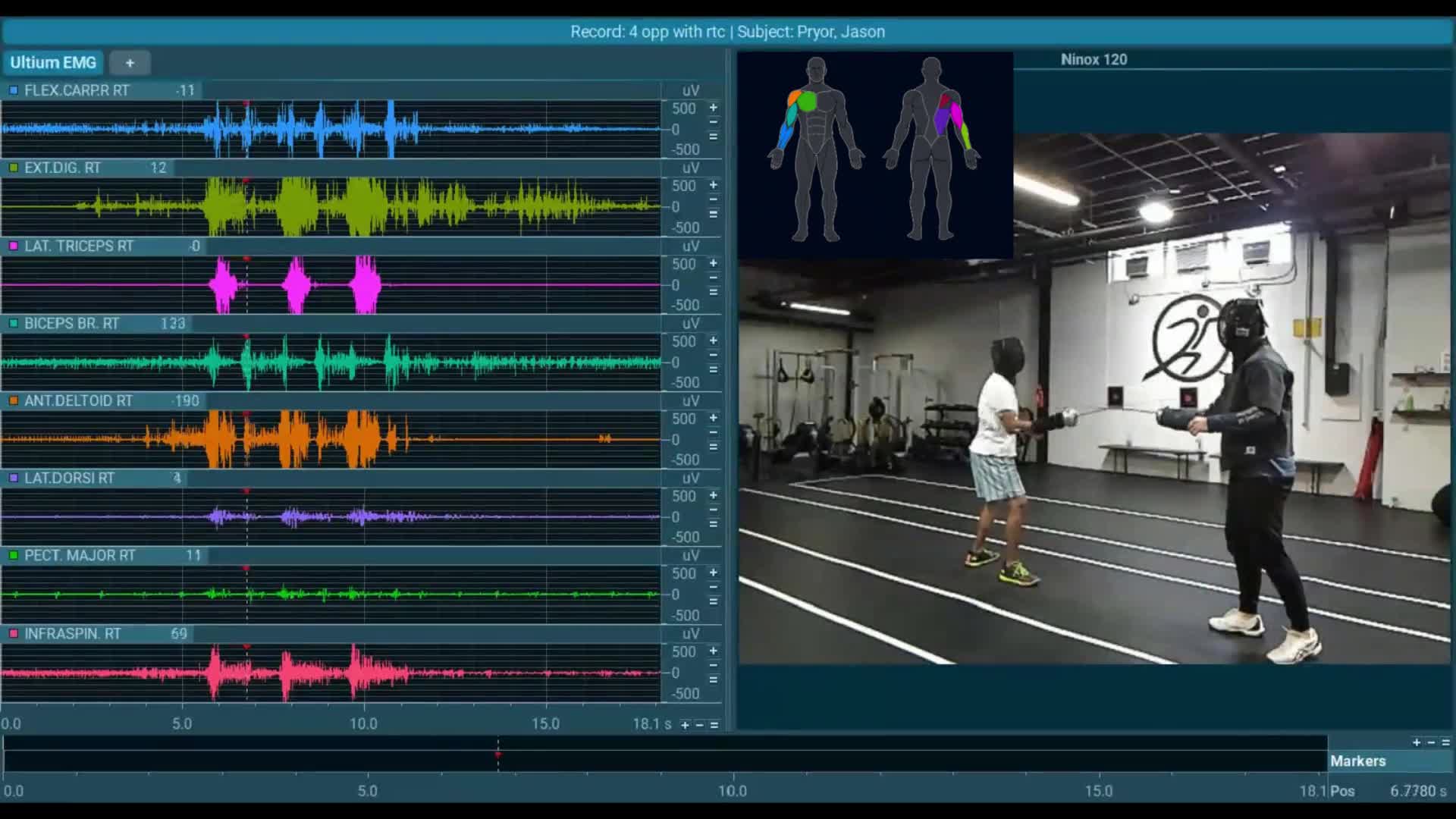
  • 4 Opposition

    Opposition in 4 shows fast onset of forearm activity, with both flexors and extensors contributing to blade control. The action resembles the parry-riposte pattern but occurs with faster timing and less separation, making coactivation and coordination crucial.

  • 4 Parry-Riposte

    The 4 parry-riposte shows strong forearm involvement during the parry, especially from the extensors. Biceps and infraspinatus activity contribute during the defensive phase, while the triceps and deltoid become more active during the riposte and extension.

  • Flick

    The outside flick shows a rapid extensor-dominant cocking phase followed by quick flexor activation during the hit. The extensors remain active into recovery, with especially strong extensor activity compared with the inside flick. The shoulder and biceps are also important to assist, especially in the cocking phase, and the triceps is crucial during the actual extension phase.

    Training for all of these muscle groups is present in a variety of ways throughout all of our programs.

  • Extension

    The extension emphasizes efficient weapon-side reach while maintaining postural control. A clean, quick extension requires substantial triceps power, forearm activity (especially in the extensors) for point control, and activity in the rotator cuff to stabilize the shoulder. Shoulder strength is also needed for this movement to develop appropriate speed.

    All of these major muscle groups are targeted throughout our programs at all levels. Shoulder strength and stability is crucial both for performance and for injury mitigation.